
MARPE vs. Jaw Surgery: Can Adults Widen a Narrow Palate Without Surgery?
★ The short version
MARPE, a miniscrew-assisted expander, can widen a narrow upper jaw in many teens and adults without surgery. But it is a real medical procedure with real risks, not a gadget. It only belongs in the hands of a qualified orthodontic specialist who diagnoses you with a 3D scan, places and controls the appliance, and stays with you from the first day to the last. It is not something to have done by a general dentist or a self-described “TMJ specialist,” and it is not something to hand off halfway through. Here is how MARPE compares to surgery, what can go wrong, and how to choose the right provider.
Plenty of adults have heard some version of the same sentence: “Your palate is too narrow, and since you are done growing, you would need surgery to fix it.” For a long time that was accurate. Widening an adult upper jaw meant a surgical procedure, general anesthesia, and real recovery time.
That advice is now out of date for a lot of patients. A technique called MARPE has changed what is possible without surgery. It has also created a new problem: because MARPE sounds simple and avoids the operating room, some patients treat it like a minor add-on and end up in the wrong hands. It is not minor, and the choice of provider matters as much as the choice of technique.
Why an adult palate is so hard to widen
The upper jaw is really two halves joined down the middle by a seam called the midpalatal suture. In children, that seam is open, so a simple expander can push the halves apart. As we mature, the suture gradually fuses and interlocks, which is why a standard child’s expander usually fails in an adult and just tips the teeth outward or loosens them instead of widening the bone.
The two ways to get around a fused suture are to reinforce the expander so it can still split the bone, or to release it surgically. That is the core difference between MARPE and the surgical options, and deciding between them starts with imaging, not guesswork.
What MARPE is
MARPE stands for miniscrew-assisted rapid palatal expansion. Instead of anchoring to the teeth alone, the expander is fixed to the bone of the palate with several small temporary screws. That bone anchorage lets it deliver enough force to separate the fused suture in many adults, without cutting the bone. Research on MARPE, including a scoping review comparing it to surgical expansion, shows it can achieve genuine skeletal widening in late adolescents and adults, with fewer side effects than surgery in suitable cases.
What surgical expansion is
The surgical route is usually SARPE, meaning surgically assisted rapid palatal expansion. A surgeon makes small cuts in the bone to release the resistance, then an expander does the widening as you heal. For very severe discrepancies, or when the bite and jaws need repositioning too, a larger corrective jaw surgery may be recommended instead. These are effective, well-established procedures, but they involve an operation, anesthesia, and a longer recovery.
MARPE vs surgical expansion at a glance
| MARPE | Surgical (SARPE / jaw surgery) | |
|---|---|---|
| Surgery required | No operation; small screws placed in-office | Yes; bone cuts under anesthesia |
| Anesthesia | Local numbing | General or deep sedation |
| Recovery | Minimal downtime | Days to weeks of healing |
| Main risks | Failure to split the suture, miniscrew loosening, uneven expansion, gum or root irritation, relapse | Surgical and anesthesia risks, bleeding, swelling, longer recovery, higher cost |
| Best candidates | Teens and younger to mid adults whose suture has not heavily fused | Older adults, heavily fused sutures, or severe skeletal cases |
The risks of MARPE, spelled out
MARPE is generally safe in trained hands, but no procedure that splits bone is risk-free. Being told about these up front is a sign you are with the right provider. The known risks include:
- Failure to open the suture. In adults, especially older ones, the expander may not separate the bone at all, which can mean starting over or moving to surgery.
- Miniscrew loosening or failure. The temporary screws can loosen, become infected, or need to be replaced.
- Uneven or asymmetric expansion. One side can open more than the other, which takes skill to prevent and correct.
- Root and gum problems. Poor screw placement or excessive force can irritate the gums, cause recession, or contact tooth roots.
- Pain, pressure, and a temporary gap. A space often opens between the front teeth during expansion. That is expected and usually closes, but it needs proper management.
- Relapse. Without correct retention, some of the width can be lost over time.
- Rare nasal or sinus effects. Because the palate forms the floor of the nose, expansion occasionally causes short-lived nasal symptoms.
Surgery carries its own risks, including those of anesthesia, bleeding, swelling, and a longer recovery. The point is not that one path is dangerous and the other is safe. It is that both deserve a careful diagnosis and an honest conversation about trade-offs.
Who should never perform your MARPE
MARPE is a specialist orthodontic procedure. It requires 3D imaging, precise miniscrew placement in the palate, careful force control, and the training to manage complications if they happen. It is not a procedure for a general dentist to take on, and it is not something to have done by a practitioner who markets themselves only as a “TMJ specialist” without being a trained orthodontist. Ask directly whether the provider is a licensed orthodontic specialist, how many MARPE cases they have handled, and what they do if it fails. If those answers are vague, keep looking.
Why one provider, start to finish, is not optional
MARPE is not a single appointment. It runs over months: diagnosis and imaging, appliance placement, a daily activation phase, a holding phase while new bone forms, then the orthodontic work to use the new width. Every stage depends on judgment calls from the person who planned it.
That is why continuity matters so much here. The orthodontist who diagnosed your suture and placed your screws understands your case in a way a doctor meeting you halfway through simply cannot. A handoff in the middle of expansion, or a practice where you see a different rotating doctor each visit, is exactly the wrong setup for a procedure this sensitive. You want one qualified orthodontist who owns your case from the first scan to the final result. This is one reason so many patients care about who actually owns and staffs a practice before they commit.
Which one do you actually need?
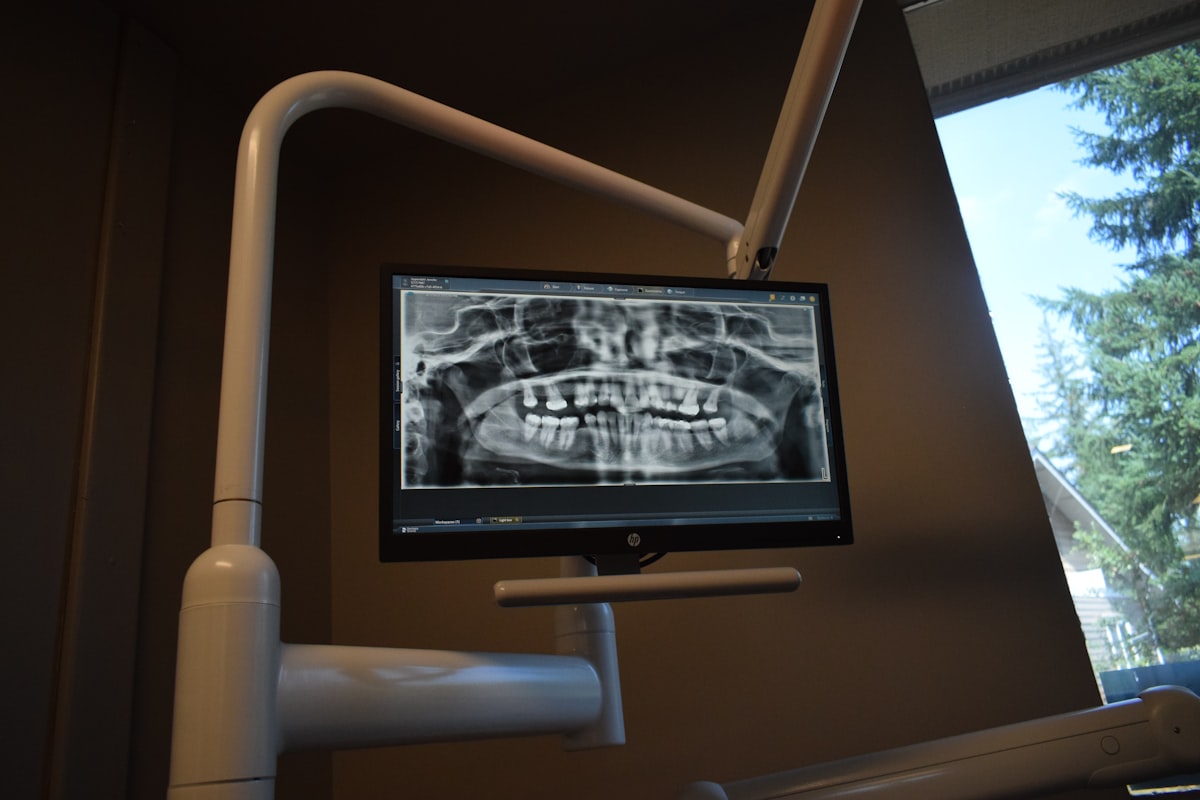
The honest answer is that it depends on your anatomy, and it takes imaging to know. Orthodontists use a 3D scan called a CBCT to see how fused your suture is and how much bone supports your teeth. Generally, the younger the adult and the less fused the suture, the better the odds MARPE will work. Older adults and very fused or severe cases are more likely to be steered toward a surgical approach. A good provider will tell you honestly which camp you are in.
Set realistic expectations
MARPE is impressive, but it is not magic. In adults it can fail to fully separate the suture, and success rates decline with age. If an office guarantees non-surgical expansion for every adult, or quotes you a price before taking a single scan, be skeptical. The right provider diagnoses first and promises nothing before they have the imaging.
Why widen a narrow palate at all
Beyond making room for crowded teeth and fixing a crossbite, a wider upper arch is sometimes part of an airway-conscious treatment plan, since the palate forms the floor of the nasal passages. You can read more about that in our guide to airway-conscious orthodontics. That connection is one reason interest in non-surgical expansion has grown so quickly among adults.
How to find a qualified MARPE provider near you
Not every orthodontist offers MARPE, and it is rarely obvious from a website. On this directory you can filter for the MARPE Provider badge and, just as importantly, for board certification, so you are choosing among trained specialists. Our plain-language guide to MARPE expander providers is a good place to start, and our post on finding a MARPE provider near you explains how the badges work.
Wondering if you can skip the surgery?
Find a board-certified orthodontist who offers MARPE, can image you properly, and will follow your case start to finish.
This article is general education, not medical advice. Only an in-person exam and 3D imaging can determine the right treatment for you.